A-LEAGUE SOCIAL MEDIA OVERVIEW
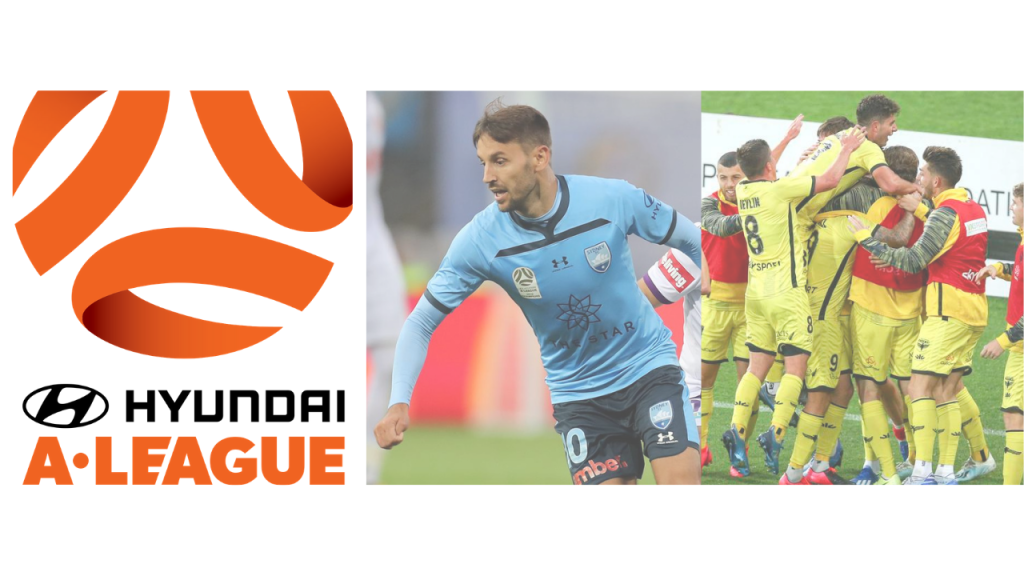
The A-League started in 2005 as way to increase the competitive nature of football or ‘soccer’ in Australia. The NPL already existed as the premier football league but many critics believed there needed to be a major overhaul.
Due to Australia being such a diverse and multicultural country, the A-League makes its name for being a multicultural league. Through studying an ethnographic study written by John Hughson, ‘A Tale of Two Tribes: Expressive Fandom in Australian Soccer’s A-League’, I grasped the idea that there are two particular supporter ‘tribes’. These neo-tribal groups are seperated by their experience with their chosen club. One tribe is the ‘youth supporter groups’ which follow long and established clubs and are from ethnic-identifiable communities and the other is for the newer clubs and the non-ethnic communities. This concept shows that the A-League has become diverse through the development of the league.
SIDENOTE: I have included a segment in my podcast about the introduction of the A-League (if you want to know more about it).
Due to the A-League being so diverse, the social media must display the same connotations. Much like the EPL, teams must promote to their chosen audience.
A prime example is the fan base of the Western Sydney Wanderers. The team stands out from other A-League teams as it is arguably the most diverse team. Their infatuation for their team comes at a cost as they have brought ‘hooliganism’ (mentioned in 2nd episode) back into the game.
The ‘RBB’ fan group display their own cultural and social significance. This is key that their social media administrators emphasise such notions on their accounts. The Red and Black theme is used as well as images which show off their fan group and their personalised flags in the crowd. “It’s our resilience in the face of adversity that defines us”, is a quote mentioned in a post about an upcoming game. The quote is key in defining what kind of team they are. After starting as an organisation after Sydney FC, the Wanderers have always really been the ‘2nd Sydney team”. Posting this type of quote speaks to their audience and means more to them than any other teams fan base.
THE NEGATIVE SIDE OF BEING A FOOTBALLER – JOSH HOPE
For footballers on social media it is all about developing a profile or persona which will attract fans into following you. Social media offers great tools which allow for direct and indirect communication from celebrity to fan. We only really look at the positives of social media. A celebrity who posts a picture of themselves happy isn’t always going to portray the same connotations. But that is what social media has turned us into in todays day in age.
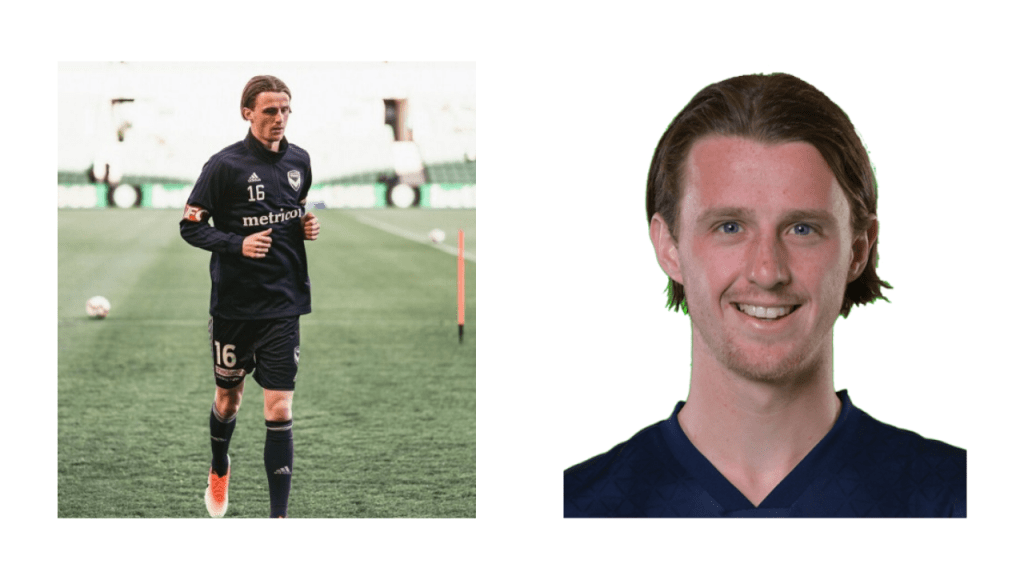
At the tender age of 22, Melbourne Victory footballer Josh Hope was only starting his career. After finding his feet gaining some appearances under his belt, Hope gave away a penalty playing for the Victory senior side. Thinking this would lead to nothing, Hope continued on with playing his own game. This was until he realised that he had come under the spotlight of online social media abuse.
“Hopesless” is the popular sledge thrown at Hope. An easy yet aggravating sledge and after being repeated over and over, it would become troublesome to his own mental state. Hope has only recently given up the game after “relentless targeted abuse” at the age of 24.
Through the development of social media and how powerful of a tool it has become, the allowance for opinion has drawn out the negative side of society. Known as a ‘multicultural league’, the A-League hasn’t had to deal with racism and online abuse much like other leagues such as the Italian league (where racism is prominent) and the EPL.
As a young Australian player, Josh Hope is the only player to date in the A-League to retire due to online abuse. I believe Australia’s culture is at fault. The 21st century is only starting to raise awareness about ones mental health. The NRL has seen it with former Broncos captain, Darius Boyd, opening up about the war he has had with his own mental health during a tough season where Broncos finished close to the bottom of the table. As a high profile athlete it is important to look after your mental health especially with the surrounding factors such as fandom and poor performances. These aspects creep into any athletes mind and are as significant as ever in the 21st century due to the development of social media.
Whether Hopes retirement acts as a catalyst for change or not, one thing is for sure that there must be change.
REFERENCES
https://researchdirect.westernsydney.edu.au/islandora/object/uws:29394/

 James Muggeridge