
My first episode of my BCM325 podcast series regarded an overview and a brief history of the technological use in sport. I discussed my plan for the series as well as delving deep into my overarching question as to whether there is any need for technology in sport if it results in negative outcomes and uproars.
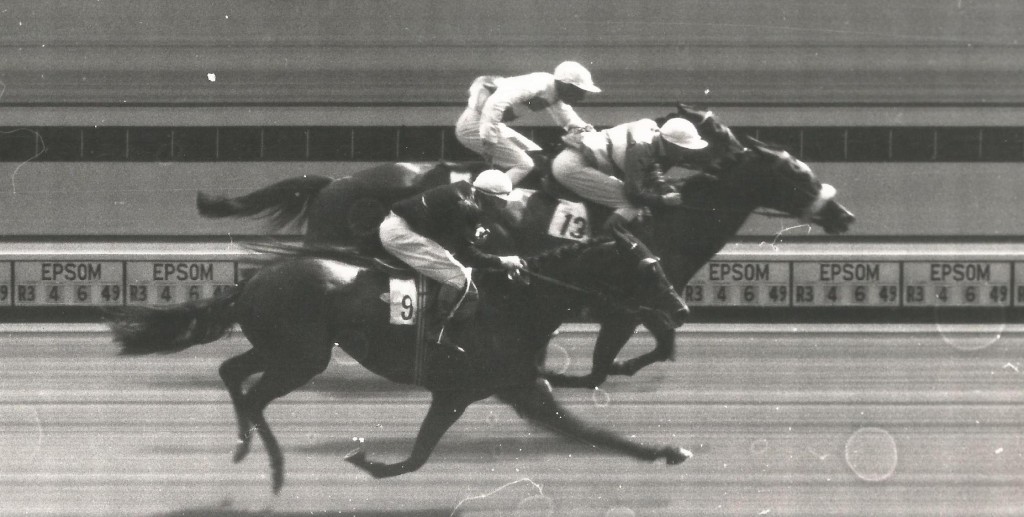
Technology was first used in sport in the form of photo finishing in horse racing. The idea behind implementing photo finishing in horse racing is to provide a clear camera angle (located at the finish line) to pinpoint the winner in a tight finish which cannot be decided by the naked eye. In a sense, this innovation has paved the way to a revolution of not only photo finishing technology, however, technology which can pinpoint a close decision through specific camera angles and technology. Examples of these types of technologies include hawk eye, goal line technology and the use of photo finishing in not only horse racing, but in Olympic sprints.
Sports science technologies were next as they were implemented as a way of reading heart rates and therefore athletic performance. A significant advantage of using such wearable technologies is the fact that it provides a real time analysis from real time performance. It is a convenient way of gaining data straight away and thus providing feedback to the athlete on where they must improve and where there strengths are. Wearable technologies such as sweat analysis are not only used to read data on athletic performance but is a way of preventing any current or future injuries. An example of this is gaining data of an athlete which shows that they have an abnormal heartbeat. Gaining this data allows for the coach or manager to properly administer the right treatment plan to lower the athletes heart rate and continue training.

Sports technology has proved to benefit the world of sports when you look at where certain sports have transformed since their origination.
For example, on a global stage, the Olympics have profited of technology on a significant scale. As mentioned before, the use of photo finishing has significantly made tight decisions much easier. As well as this, the viewing of events such as the 100m race or the hurdles have been made more intense and exciting to watch. Sprint athletes have also benefited off speed guns which show the speed of there races and allow for the goal of continuous progression.
Wearable technologies have benefited performance whether it’s short or long range athletics. Heart rate monitors and the 21st century innovation of the Garmin and Apple watches, have allowed for coaches and athletes to read real-time data from there performances and practices.

Another example of a sport which has made significant progression since its origination is cricket. Cricket begun with the use of a stick and ball. A game which was played as early as 1611 in England Villages. The sport was named a ‘boys sport’ and when looking at the modern game of cricket, this definition has well and truly been eradicated. Bats have become stronger and boundaries have become smaller to suggest that the game is becoming a ‘batsmen’s sport’.
When looking at its technological progression, however, it’s hard to miss the saturation of sports technologies used throughout the game to perfect the overall sport. The stumps are now implemented with a stump mic and there are technologies which pick whether batmen have hit the ball or not (For example, the Snickometer). Hawk-eye can be used to perfect the LBW (leg before wicket) decision, lighted wickets allow for umpires to be notified when the bails have been dismantled and the introduction of the Duckworth Lewis System calculates a team total in the event of an unfortunate circumstance such as bad weather.
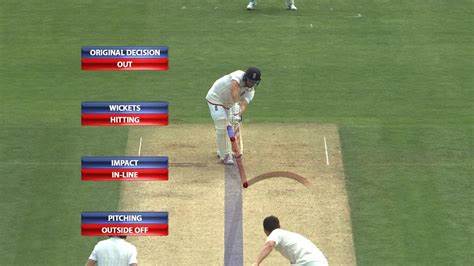
When looking at an overview and a brief history of sports, it’s hard to notice any of the negatives which flood the world of sports. However, as sports around the world have now become saturated with technology, there are bound to be negatives and issues which come with it.
In the next blog I will list some relevant and topical issues with specific technologies and debate whether these technologies listed are truly needed in these sports. This will lead to my overall question as to whether technology is damaging the beauty of our game and what needs to be done into the future to stop this.
JAMES MUGGERIDGE


 James Muggeridge