Context behind memes and how they are used in Warfare
Memes are created as a way to personalise a topic and thus distribute the customised content across media, yet memes haven’t always been like this. Memes started off as a method of persuasion in the form of propaganda. In World War Two, Hitler used propaganda to persuade citizens to conform to his ideal and regime. This propaganda involves the use of words, or a caption, within an image forming posters and other propaganda types. This idea defines what a meme is today.
In this generation memes are customised and are subjective by creators to convey their opinion on a big issue or event. Memes in this generation started in the 2016 election between Clinton and Trump.
The role of remixing and the mashing up of content allows for subjective ideas in regard to the event or issue. Especially in the Trump v Clinton election, memes were used for viewer’s opinion on both of the candidates.
My definition of trauma is the emotional aftermath of visualising something disturbing or distressing. Trauma can affect anyone as most people witness traumatic experiences throughout their life. Everyone’s reaction to potentially traumatic experiences is different. In particular, Journalists at times need to document and or write about traumatic news or experiences. This includes shootings, murders or natural disasters. Content may need to be watched or visualised to completely understand what happened which also will be traumatic for journalists. An example of a traumatic experience which occurred recently is the Christchurch Massacre.
At 1:40 disaster struck when gunmen arrived at the Al Noor Mosque in the suburb of Riccarton. He then attaked another mosque, overall 50 were killed and 49 others were injured. The shooter involved Brenton Tarrant was charged with 50 counts of murder and 39 counts of attempted murder. The incident was live streamed on Facebook for the whole world to see. Leaders around the world offered condolences in the wake of the attack.
Victims, Victims of families, the worldwide audience and journalists were all affected by trauma in this specific incident. As the world watched on they grieved and succombed to trauma depending on the impact it had on ones self.
New Zealand banned the use of semi-automatic rifles after the devastation of the incident.
“New Zealand have one of the highest rates in the world for gun ownership. There were 0.18-gun homicides per 100,000 in 2015, ranking it close to countries such as Australia (0.12) and the Netherlands (0.18).”
“92% of journalists reported experiencing at least four traumatic situations”
-(Weidman et al., 2008).
There are several types of trauma which can affect journalists. Yet when referring to the Christchurch Massacre the three main types I have chosen are acute, repetitive and historical/integrational trauma.
According to the National Insitute of Mental Health, acute trauma is connected with short term PTSD. Acute Trauma is the exposure to a single-overwhelming event or experience. In saying that, acute trauma most definatley could occur when visualising a shooting. When writing or reporting on a shooting it can lead to Acute Trauma in a way that brings upon loss of focus and poor production when writing or reporting.
As a journalist, you must also be ready to document repeated events which cause trauma. RepetitiveTrauma is the repetitive exposure to overwhelming events or experiences causing distress. Repetitive trauma most of the time leads to PTSD. This is a long term-psychological impact which will hinder the ability of the journalist to document and report on stories.
Historical and Integrational Trauma is the negative or distressing exposure to cultural difference that can affect your own cultural background. I chose this as a main type of trauma as the journalism community is quite a multicultural community. Where journalists from all around are documenting on stories that can contain trauma. As a muslim journalist, documenting the Christchurch Massacre would be distressing as part of the same culture which were massacred.
When journaists cover stories which cause trauma, it can have a major impact on the wellbeing of the Journalist and this can span for months. Factors such as culture and experience can increase the impact which the traumatic stories will have on journalists.
Becasue social media platforms are widely used around the world, anything which is uploaded can be seen by anyone using the certain apps. The big negative to this is when people upload content which can be dangerous to a person’s eye. This can cause significant trauma depending on different factors such as age or culture.
The perpertrator of the Christchurch Massacre live streamed the horrific event on big platforms such as Facebook and Youtube. Many people including ABC’s online technology reporter, Ariel Bogle, belived that it was both the platforms fault for the worldwide viewing of the live stream.
“YouTube, Facebook and Twitter so far failing to stop the proliferation of the Christchurch shooting video”.
A big issue in today’s society is that children are assceable to social media. It is not hard for a child to lie about their age and achive a facebook account. This means that young children couldve possibly been able to witness the horrfic events.
“People may be intensely emotional. They may be overcome with grief and despair. They may be angry and bitter. They may be confused and distracted, unable to take new information on board.”
The MEAA shows the codes of ethics that media workers are expected to follow and repsect. Ethics in journalism allow journalists to have an independent voice on social media and allow for fair commentary and documentation on stories.The following codes refer to journalists when covering stories involving trauma:
“4. Do not allow personal interest, or any belief, commitment, payment, gift or benefit, to undermine your accuracy, fairness or independence.“
“5. Disclose conflicts of interest that affect, or could be seen to affect, the accuracy, fairness or independence of your journalism. Do not improperly use a journalistic position for personal gain.“
“9. Present pictures and sound which are true and accurate. Any manipulation likely to mislead should be disclosed.“
“11. Respect private grief and personal privacy. Journalists have the right to resist compulsion to intrude“
-MEAA
Media personnel can be easily criticised when covering traumatic stories such as the Christchurch Massacre. In past cases, journalists have been condemned through exploiting grief, being classed as ‘insensitive’ towards victims and struggling to decide the difference between “need to know” and “want to know”. All victims and family of victims must be treated with care when interviewing and providing documentation of the incident. A key aspect of journalism is knowing how to ethically approach and report certain cases involving trauma and grief.
Disobeying these ethics listed above can have a detrimental impact on the person’s career and credibility. An example of disobeying such ethics is when Frazier Anning decided to blame ‘muslim immigration’ for the attack in Christchurch.
“real cause of bloodshed on New Zealand streets today is the immigration program which allowed Muslim fanatics to migrate to New Zealand in the first place”.
These comments had significant backlash from not only the muslim community but the nations of Australia and New Zealand. He was handed with a censure by Australian parliament.
To be able to document and report on stories which can bring upon trauma to the audience and yourself as a journalist, you must be equipped with the right knowldedge on ethics and how trauma may affect your own self.
Knowledge on ethics is key to becoming a talented journalist and staying away from any legal implications.
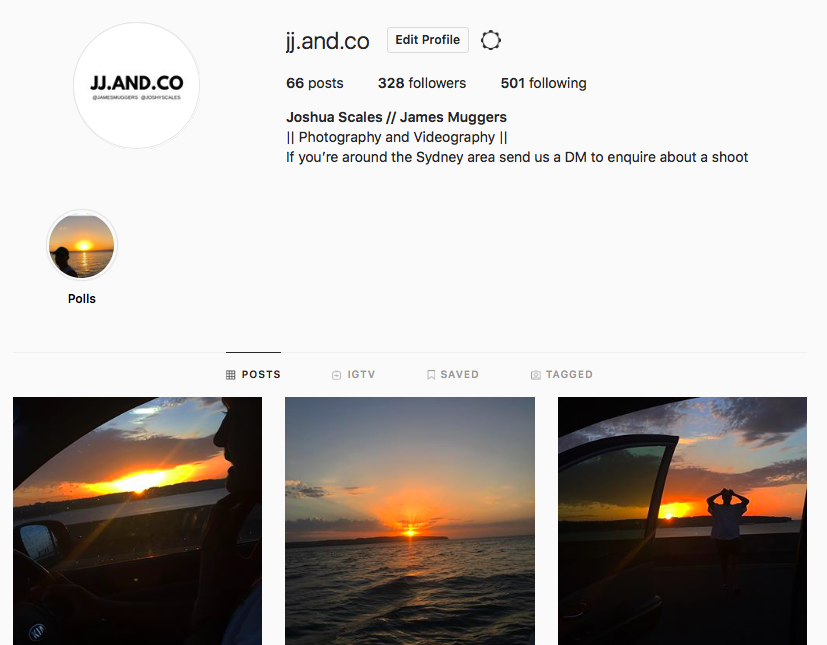
My DA is JJ.AND.CO, I mainly focus on Photography and Videography. My content is relevant to society as Photography is a significantly popular form of media with social media apps, which allow the audience for easy access.
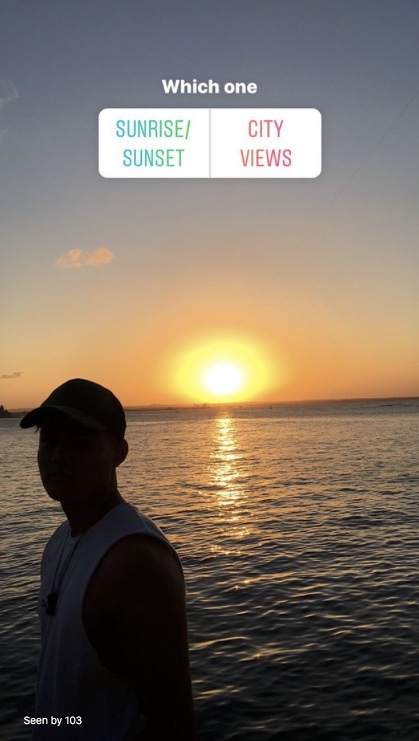
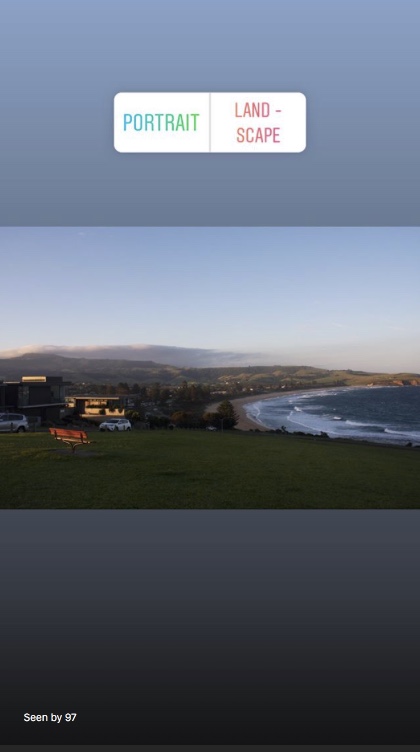
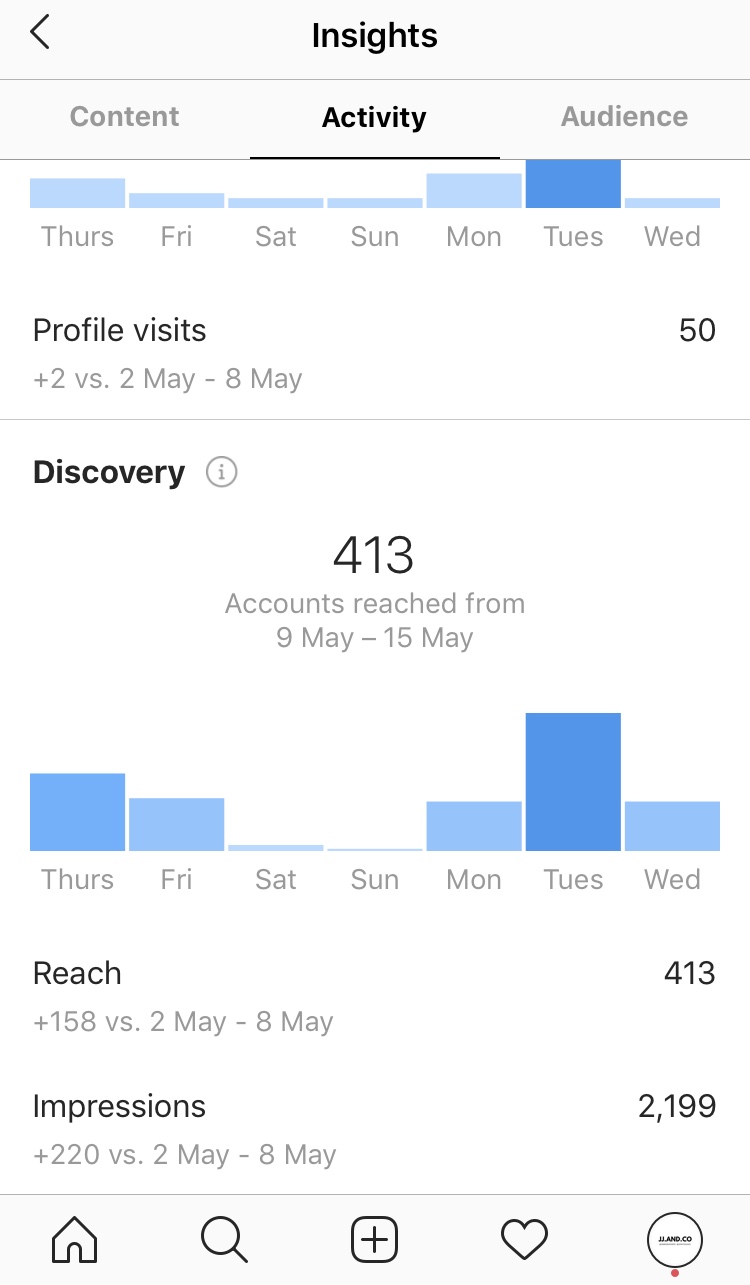
The process of creating content is heavily based on the audience feedback loop. I created polls in an aim to allow my audience to give me feedback on what content they want to see and where they want to see it. My 4 created polls showed that Landscape, Colourised and Sunset/Sunrise photography is popular and wanted to be seen more by my audience. I also created another poll asking whether the audience wants to see more videos. The answer was a clear yes. My audience may also comment on my posts to give me feedback on whether they like it or not.
I have gained around 50 followers since my pitch by posting 20 photos and 1 video. I post 3 photos at a time to keep the aesthetic of my DA. I apply many hashtags on my posts but recently the last 3 photos posted have received the most impressions through 30 hashtags used. Hashtags are related to the photo posted and are highly popular in the industry which allow for more impressions.
Issues I have had with my DA include posting through my secondary platform – YouTube. Another issue includes the videography aspect of my DA. I have struggled to produce content that I personally like or therefore that my audience would like. I have changed my DA by deciding not to pursue sports blogging and mainly focus on my photography for now.
This is my video posted from my exploration in the city
Framing is used by producers in this generation to provide a different perception to a certain topic or trend.
Within Framing there its salience and perception. Salience is where something is centralised to persuade viewers into believing their perception. Yet with salience there also needs pieces to complete the puzzle, features which make up the content that you are producing.
You can look at framing as a way of marketing a product.
How will you market your content?
Who is the audience that you are marketing towards?
And what are the features you will include to create your own niche market?
These days a niche can be created by mixing two different forms of content together. An example of this is emo rap. Emo rap is a mix of rap and rock or heavy metal. Artists like Ski Mask and XXX Tentacion use this genre to frame their own personalised content to their audience.
In my remediation I used a clip from the movie Cars and merged it with the song Tokyo Drift (played in the movie – Fast and Furious Tokyo Drift). This creates a new and personalised form of content which can be framed to a certain audience. Framing features that I applied includes the music and the video clip.
Networked Participation and Collective Intelligence
Producing content has significantly changed over the last decade. Producers of content has altered from being closed to open. These days you don’t have to be qualified to produce content nor have a reasonably large knowledge of the topic you are producing content about. The Audience can distribute content through ideating and customising, placing their own personalised view on the topic. Content based on a topic can be collectively distributed meaning that it will concur many different ideations. This coincides with network participation as when content is collectively distributed, a large network is involved and can all participate in creating their own personalised content.
My meme shows the weak or non existent nature of this generations gatekeeper. Dialogic Media allows for collective intelligence and network participation. Content is produced from many to many and is broadcasted directly, emphasising the weak gatekeeper. It is vastly open and allows for a metaphorical flood which destroys a highly populated city, or gatekeeper.
Here is a link which takes you to a site which provides an in-depth summary on gatekeeping in the media
When initially grasping the understanding of what a ‘Public Sphere’ was, two groups or societies came to mind. One group consisted of close friends (micro), friends that I would debate with about the latest and trending topics. This public sphere is operated through social media groups such as a messenger chats or facebook pages. For example I have a messenger group chat with my school friends which allows us to remain in contact and share personal stories or news. My closed group messenger chat includes close friends who I would trust, excluding people who I don’t trust or don’t socialise with. Media is used for contact in this situation which both positively and negatively affects relationships and the way we socialise with each other. Sometimes stories and messages can be ‘lost in translation’ and personally I believe that it is at times a risky or even poor way of communicating with peers. In a way I prefer the old style of communication where friends would have to communicate in person and would have to make the effort to see each other. Don’t get me wrong, the ability to message a friend within seconds is amazing and definitely useful for everyday purposes.
The other group consists of a more national and sometimes global scale (macro). Both platforms, Facebook and Instagram, allow for an open discussion about topics which can be put up for debate. People who have the apps have the power to cause discussion and debate. However, Since Jurgen Habermas created his theory of the ‘Public Sphere’, the “ideal coffee shop” environment has at times turned toxic. The transformation of the way we read, watch and analyse media has meant that more people are able to provide an individualised opinion which can most definitely have negative effects on society and individuals. In this public sphere, anyone can be included and people who choose not to use the apps can exclude themselves.
My example of a global topic which has caused debate is the recent discussion about a footballer who plays in the Italian league. He chose to celebrate negatively towards the opponents fanbase due to racist comments which were allegedly voiced by the fanbase.
In a closed group, for example my group chat for my soccer team, anyone can provide their own opinion on his actions and have the right to voice their opinions on social media within its restrictions. The topic may also spark debate from previous events in time which have involved racism, not only in sport but in other aspects of life.
The 26/12/17 wasn’t just a normal Boxing Day for me. This date was the beginning of my true passion for photography. Sure I had been taking photos before this date, but this date felt important, significant, meaningful.
My mates and I were in the city for the Boxing Day sales. We had been shopping all the morning until we reached midday. We decided to eat our lunch (maccas) on the trucks which acted as a barricade, blocking off the usually jam-packed streets. I decided to take my camera out and I started the take photos. I didn’t really know what I was taking photos off at the time as I was naive when it came to photography. Yet my mates, to me, were very photogenic and made it easy to take photos.
luciano
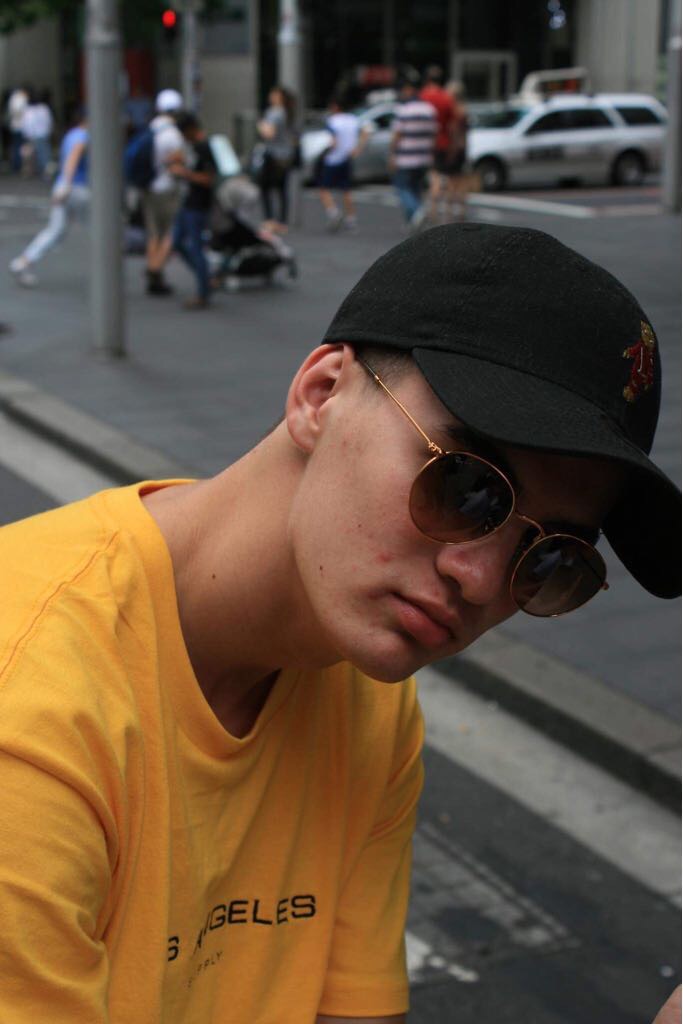
My favourite photo I took from this day was this picture above. This my mate Luciano. A confident guy, yet humble. The background of the truck provides a rustic look which works significantly well with the portrait.
josh
This is another one of my favourite pics. This is my best mate Josh or ‘Scales’, him and I started this project. You see, Josh and I started off as two shy kids who had no intention in expressing each other’s personality or opinion.
Photography gave us a reason to express each other, allowed us to show our true selves and show what we were capable of
This weeks lecture focused more on the way media can be created, in particular the use of the Emergent Media Paradigm.
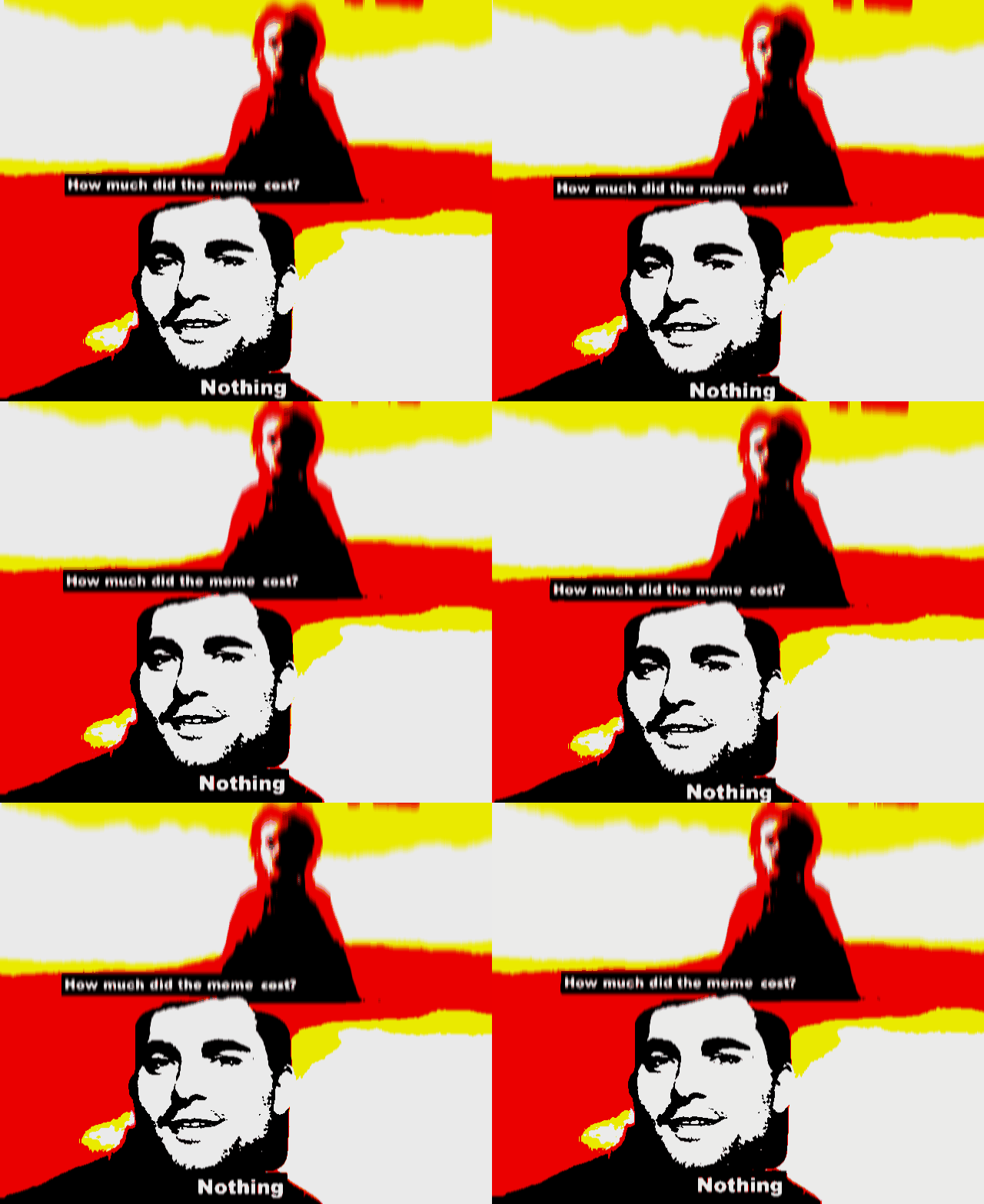
I made a gif which focused on the minimal or no cost of a meme to create, coming under the Emergent Media Economic Model. A Gif and Meme are at a low risk of failure and has no filter, unlike the Legacy Media Model which is filtered based on cost. Gifs allow for mass participation and interaction from the audience as they are usually based on trendy or topical, news or drama, around the world.
Memes and Gifs have definitely became a centre-point in this generation’s ever-changing media. This medium can be passed from individual to individual thus allowing for contrasting remediations and messages. My gif which is remediated from an avengers scene, permits for universal discussion as it is such a blockbuster film seen all over the world.
“Animals used in performances must be treated with respect, and not objectified, or subjected to indignity or ridicule.” – RSPCA
“Circuses. Elephants, tigers, and other animals that circuses use to entertain audiences do not stand on their heads, jump through hoops, or balance on pedestals because they want to. They perform these and other difficult tricks because they’re afraid of what will happen if they don’t.” – PETA
In this generation, with the increase of media and technology, the treatment of animals has become a serious issue. Animals in this day and age are used for multiples purposes. Whether its for sport, food or in this case entertainment.
For a while, the circus industry have had allegations towards them for their treatment of animals. Circus shows are constantly on the road, moving from city to city or even country to country. This means animals are constantly transported, sometimes in rugged and unstable cages, without a large consumption of food or water.
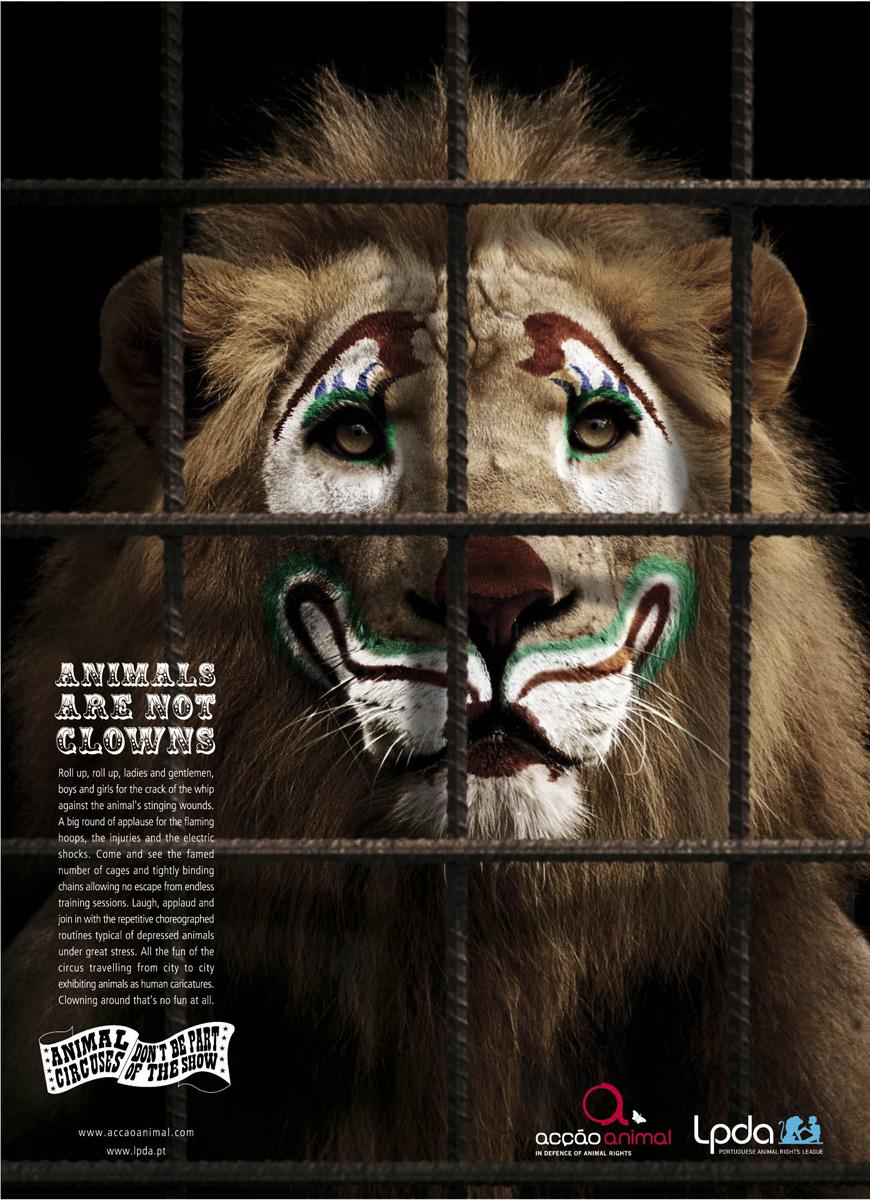
“Roll up, roll up, ladies and gentlemen, boys and girls for the crack of the whip against the animal’s stinging wounds”
The advertisement, created by two Portuguese animal rights organisations: Acção Animal and Liga Portuguesa dos Direitos do Animal (LDPA), shows a lion with face paint meaning that it is used for the circus. Yet depending on which perspective you see this image from it may differ from the original denotation.
The denotation of “Animals are not clowns” literally means that animals are not meant to be treated like clowns. Yet the message may also connote another meaning. From my point of view, I see a lion who is imprisoned and exploited for the entertainment and leisure of people. The prison bars portray a tough and negative environment for the Lion enforcing the audience to immediately feel empathy, for not only the lions, but all the circus animals.
Conversely, the point of view from a Child’s perspective may contrast to my and others perspective. Face paint growing up conveys positive connotations as it was a novelty to have your face painted, showing a child’s involvement or support towards a team, event etc. When young children attend circus shows they tend to disregard the bigger issues involving the animals. In the show, the animals may seem to be happy or joyful, yet be tormented and treated poorly behind the scenes.
This issue portrayed in the advertisement allows for universal discussion in regards to the treatment of animals. Other aspects can be looked into further, for example the treatment of horses in horse racing or the treatment of greyhounds in greyhound racing. Yet as these two sports appear to be quite popular socially and financially, a discussion will most likely simmer down and be forgotten by most.
“This is merely to say that the personal and social consequences of any medium – that is, of any extension of ourselves – result from the new scale that is introduced into our affairs by each extension of ourselves”
If I was to be honest the topic “The Medium is the Message” didn’t sit well in my head after I had learnt about it. Yet through rewatching videos and reading more information about it, I feel like now I have grasped the meaning of the topic.
People interpret and have different perspectives on media which allows for debate and in this case – social division.
August Landmesser chose to rebel against Hitler and his message through disobeying Hitlers salute at Hamburg.
This meme represents a man who had the power to act against a stronger medium, in this case is the Australian Senator Frazier Anning. Much like ‘Egg Boy’, August Landmesser refused to conform to the dictators ideals yet therefore paid the price and was shot.
























 James Muggeridge